Winter firebreak prep in WA: what to check before council deadlines creep up
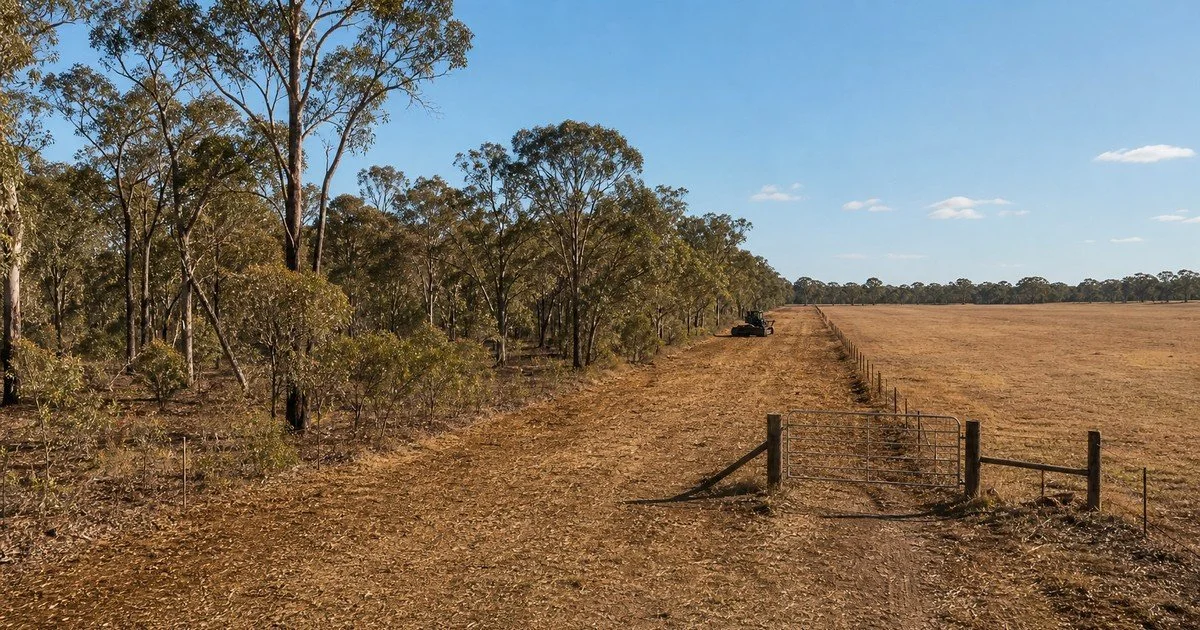
Winter is the right time to check firebreaks, fuel loads, access tracks and overgrown boundaries before WA properties dry out.
Winter is the time to look at your firebreaks, not when the first hot week arrives.
Across Perth, the Perth Hills, Mandurah and South West WA, overgrown boundaries, blocked access tracks and thick undergrowth can turn into a much bigger problem once the weather dries out. A winter check gives you time to see what needs clearing, confirm your local council requirements and book the work before the spring rush.
Why winter is the smart time to check your property
WA bushfire prep is easier to deal with before the heat, wind and dry grass arrive. You can walk the block properly, check access tracks, look at fence lines and see where regrowth has started to close things in.
DFES tells property owners to prepare their home and property before bushfire season, and Emergency WA also encourages people to plan ahead for emergencies. That work starts well before summer.
If your property has bush, scrub, paddocks, sheds, tanks or long access tracks, winter is a good time to make a list of what needs attention.
Firebreaks are only part of the job
A firebreak is important, but it is not the whole picture. On many WA properties, you also need to think about fuel reduction, access, overhanging branches, fallen timber and clear space around homes, sheds and other assets.
Edge Landworks handles firebreak installation and maintenance across Perth and South West WA, including work around boundaries, access tracks and areas where dense undergrowth has become a fire risk.
The aim is simple. Make the property easier to access, easier to maintain and better prepared before the dry months arrive.
Check your local council firebreak notice
There is no single firebreak date or rule that applies neatly across all of WA. Firebreak notices are issued by local governments, and the requirements can change depending on the property size, zoning, location and council area.
Some notices deal with firebreak width, vertical clearance, slashing, asset protection, access gates, vacant blocks and vegetation near buildings. If your property sits near the edge of a council area, do not guess. Check the current notice for your LGA.
Once you know what applies, Edge Landworks can help clear and maintain firebreaks to local council requirements.
Walk the block and look for fuel load
A quick drive past the front gate will not tell you enough. Walk the parts of the property people usually ignore.
- Boundary lines and fence lines
- Access tracks and turning areas
- Vegetation close to sheds, tanks, machinery and homes
- Regrowth from previous clearing
- Fallen branches and dead timber
- Thick scrub, dry grass and undergrowth
- Areas where a vehicle or fire appliance would struggle to get through
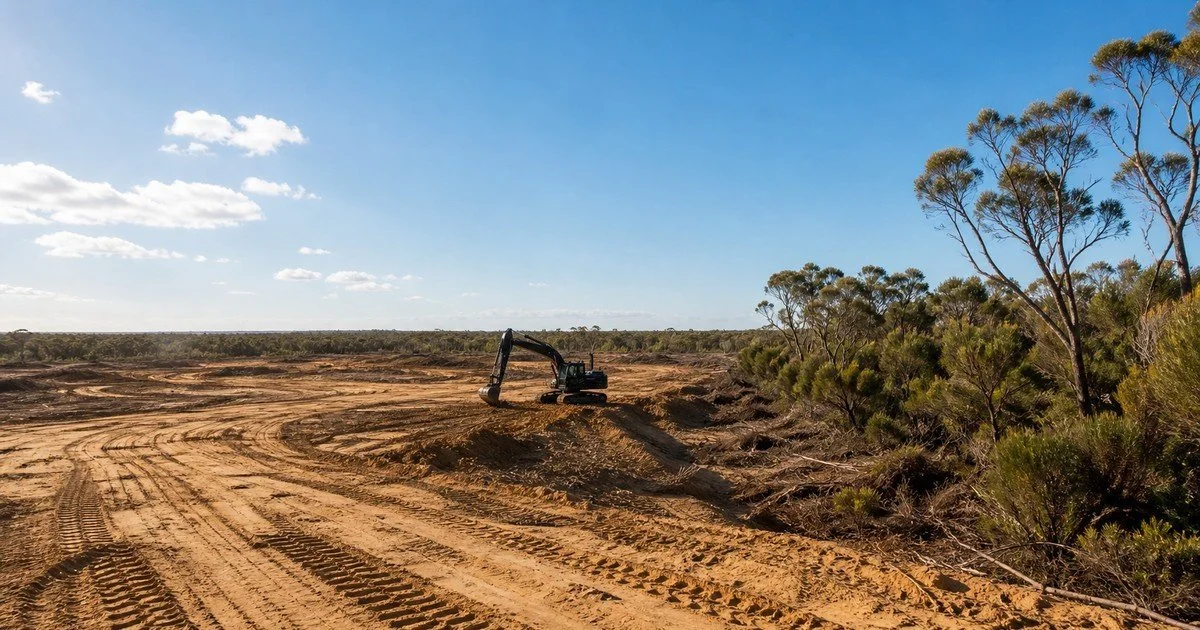
If the block has become too thick to manage by hand, professional land clearing for overgrown blocks can make the job safer and faster.
DFES also provides a Property Preparation Checklist for owners who want a practical starting point.
Think about asset protection zones
DFES describes an Asset Protection Zone as a low-fuel area immediately around a building. Its guidance says it should include defendable space next to the building of no less than three metres, with minimal vegetation and no combustible items or obstructions.
That does not mean stripping the whole property bare. It means looking carefully at the areas that matter most, then reducing the fuel and clutter around them.
DFES also links to the Bush Fire Risk Treatment Standards guide for vegetation management around buildings.
Where eco-mulching helps
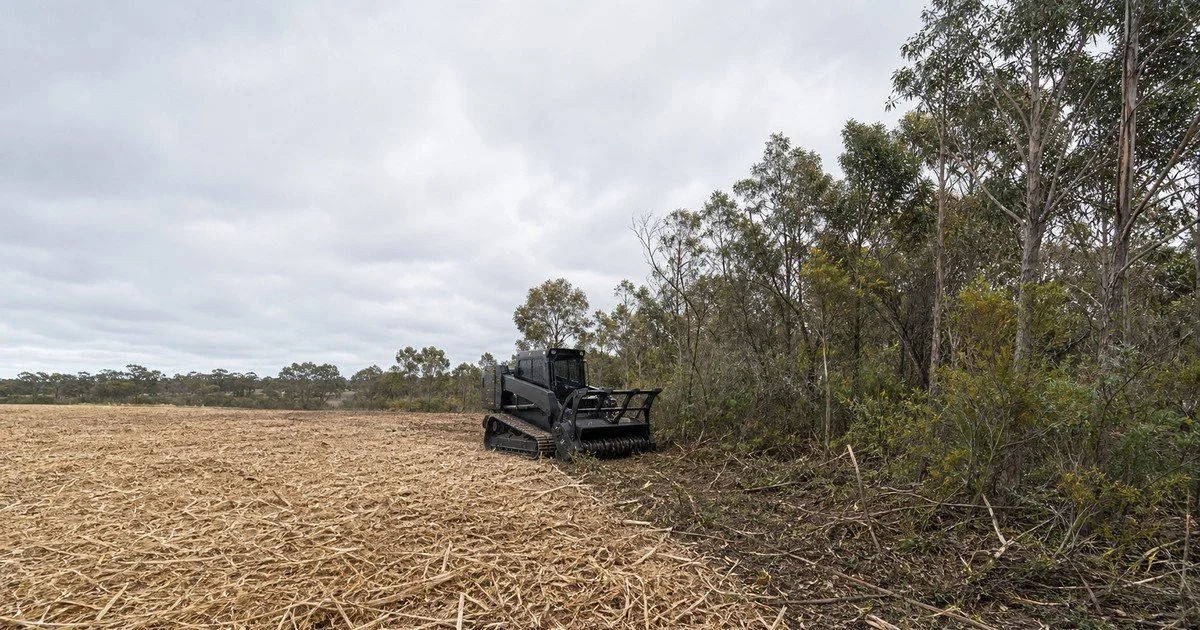
For the right vegetation, eco-mulching for fuel reduction can be a practical way to clean up scrub and undergrowth without carting every bit of green waste off site.
The machine turns vegetation into mulch on the property. That mulch can help cover bare ground, reduce erosion, suppress weeds and leave the area tidier than a rough cut-and-pile job.
There is one catch worth saying clearly. Declared or invasive weeds may need separate handling so they are not spread around the property. Not everything should be mulched blindly.
Perth Hills and South West properties need early planning
Blocks in the Perth Hills often have slopes, laterite ground, tight access and bush close to homes or sheds. That makes early planning useful, especially if a machine needs safe access to the work area.
Edge Landworks provides Perth Hills firebreak and clearing work for properties where fuel reduction, access tracks and boundary clearing need to be handled properly.
The same thinking applies across larger lifestyle and rural properties in the South West. Long driveways, boundary tracks, paddock edges and scrubby sections can take time to assess and clear.
For larger blocks, Edge Landworks also handles South West WA land clearing and firebreak services.
Use official information, then book the work early
For official bushfire preparation advice, check the DFES bushfire preparation page. For current warnings, plans and Fire Danger Ratings, use Emergency WA.
Then check your local council firebreak notice. That is the document that tells you what applies to your property.
If your firebreaks, access tracks or fuel loads need work, winter is the time to get it moving. You will have more room to plan the job, deal with access issues and avoid the last-minute rush.
Need a hand getting the block ready? Get a Free Quote from Edge Landworks.